XEL SONO
A scalable ultrasound technology foundation to reduce development risk and shorten time to market.
Jump-Start Development of Your Ultrasound System
Innovating therapeutic ultrasound devices requires careful control of energy delivery and consistent clinical outcomes. Medical device OEMs often face extended validation cycles, repeated design iterations, and delays across verification and clinical evaluation.
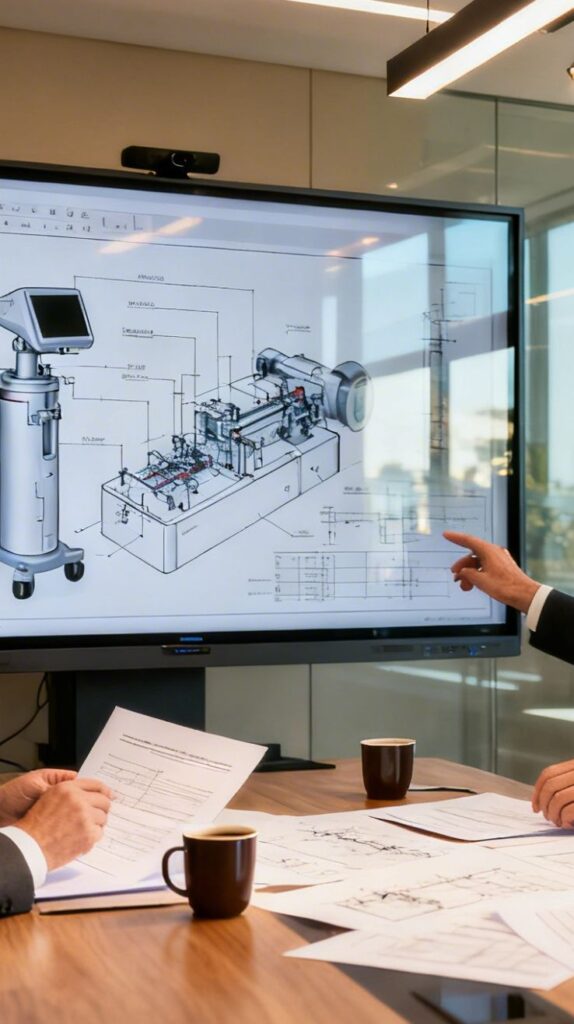
Incorporating more than four decades of experience in therapeutic ultrasound development, XEL SONO simplifies this complexity at the core. Our proprietary platform enables teams to speed up engineering of high-precision ultrasound devices that drive meaningful patient outcomes and elevate the healthcare experience.
Explore the Technology Behind XEL SONO
Energy & Power Control
Configurable transmit frequencies (0.7–7 MHz+), modular power architecture, and scalable power stages supporting low-intensity therapy through high-intensity focused applications.
Therapy Modes & Delivery
Configurable transmit frequencies (0.7–7 MHz+), modular power architecture, and scalable power stages supporting low-intensity therapy through high-intensity focused applications.
Safety & System Protection
Configurable transmit frequencies (0.7–7 MHz+), modular power architecture, and scalable power stages supporting low-intensity therapy through high-intensity focused applications.
Software, UI, & Integration
Configurable transmit frequencies (0.7–7 MHz+), modular power architecture, and scalable power stages supporting low-intensity therapy through high-intensity focused applications.
Platform Scalability & Compliance
Configurable transmit frequencies (0.7–7 MHz+), modular power architecture, and scalable power stages supporting low-intensity therapy through high-intensity focused applications.
How You Benefit with
XEL Sono
Faster Development
Reduce base architecture build and validation time to move quickly from design to manufacturing.
Reduced Rework & Risk
Pre-qualified subsystems, validated safety parameters, and a vetted supplier base minimize costly redesigns and delays.
Clinical-Grade Performance
Reliable accuracy and performance support consistent, patient-focused therapeutic outcomes.
Configurable & Scalable Design
Flexibly configure frequencies, power, modes, and form factors while supporting applications from low-intensity ultrasound to high-intensity focused therapies with regulatory-compliant documentation.
Where XEL SONO Delivers Impact
01
Physical Therapy & Pain Management
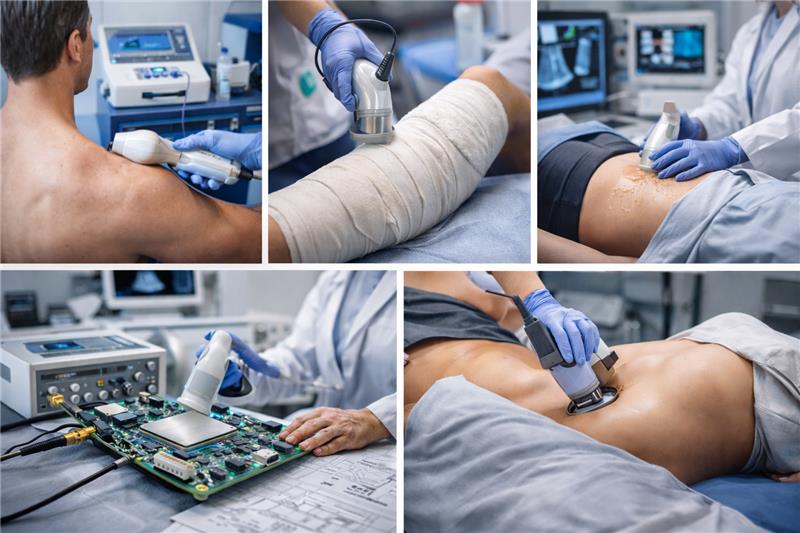
Musculoskeletal therapy, deep tissue heating, spasm reduction, chronic pain management, and ultrasound-assisted drug delivery.
02
Bone Healing
Low-intensity pulsed ultrasound for fracture healing and post-operative bone recovery with consistent therapeutic control.
03
HIFU & Hyperthermia
Targeted tissue ablation and localized hyperthermia for applications including uterine fibroid and prostate treatment.
04
Shock Wave Therapy & Lithotripsy
Controlled shock wave delivery for kidney stone fragmentation and pain relief applications.
05
Aesthetic Ultrasound
Non-invasive body contouring, fat and cellulite reduction, skin tightening, and collagen remodeling.
Faster Go-to-Market with Proven Platforms
Avoid costly redesigns and repeated validation by incorporating XEL SONO in your next therapeutic ultrasound innovation.
From Platform to Market: US FDA-Cleared Devices Developed Using XEL Sono
Dual-Therapy Recovery System
Combines therapeutic ultrasound and electrotherapy for pain relief and functional recovery.
Multi-Modality Rehab Platform
Integrates EMS, CES, and ultrasound for musculoskeletal rehabilitation and pain modulation.
RF Body Contouring Device
Class II, FDA 510(k)-cleared monopolar RF system for non-invasive body contouring.
Information Center
What are XEL platforms?
Medical device engineering services cover the technical activities required to design, develop, verify, and sustain medical devices. These services span hardware, firmware, software, systems engineering, verification and validation, regulatory documentation, and post-market engineering support across the product lifecycle.
What types of accelerators are included in the XEL ecosystem?
Design and development typically focus on creating a new product concept and initial implementation. Engineering services extend beyond this phase to include system integration, verification and validation, manufacturability readiness, regulatory support, scaling to production, and lifecycle sustenance. Engineering services emphasize execution, compliance, and long-term product viability.
Which MedTech applications can XEL platforms be used for?
An ideal medical device engineering partner should integrate regulatory compliance at every step by conforming to industry standards such as ISO 13485 and applicable global regulations such as FDA and EU MDR. This includes design controls, risk management, verification and validation activities, technical documentation, and post-market changes.
Are TECH XEL platforms off-the-shelf products or customizable?
Engineering solutions for medical devices help reduce time-to-market by applying proven frameworks, early manufacturability reviews, structured verification planning, and regulatory-compliant development practices. These approaches minimize rework, improve predictability, and support smoother transitions from development to production.
How do TECH XEL platforms reduce development risk and timelines?
ISO 13485 certification demonstrates that an engineering service provider operates within a quality management system for medical devices. It reflects disciplined processes for design control, documentation, risk management, and traceability, which are critical for developing products intended for regulated markets.
How do XEL platforms support regulatory compliance?
Engineering change management follows a controlled workflow starting with an Engineering Change Request (ECR), impact assessment, and approval through a change control board. Approved changes are executed via Engineering Change Orders (ECOs), supported by required verification, validation, and documentation updates as per ISO 13485 and FDA 21 CFR Part 820 requirements.
How do we engage Syrma Johari MedTech on XEL platforms? ?
The right medical device engineering partner brings relevant domain expertise, regulatory knowledge, multidisciplinary engineering depth, and a track record of supporting complex medical device projects. OEMs can identify a partner suited to their needs by evaluating lifecycle coverage, quality systems, verification and validation capabilities, and experience across similar device categories.

Capabilities
- Design and Development
- Engineering
- Contract Manufacturing
- QARA Services
- Product Lifecycle Management
- Medical PCB Assembly
- Medical Plastics Manufacturing
Market Segments
- IVD & Laboratory Diagnostics
- Medical Aesthetics
- Rehabilitation and Physical Therapy
- Patient Monitoring
- Drug Delivery
- Critical Care
- Surgical and Interventional Care
- Point of Care
COMPANY
- About Us
- Leadership
- Certifications and Awards
- ESG and Sustainibility
LEGAL
- CSR Policy
- Privacy Policy
- Terms & Conditions
- Terms of Use
CONTACT US
- Contact us
- Careers
MADE IN INDIA FOR THE WORLD